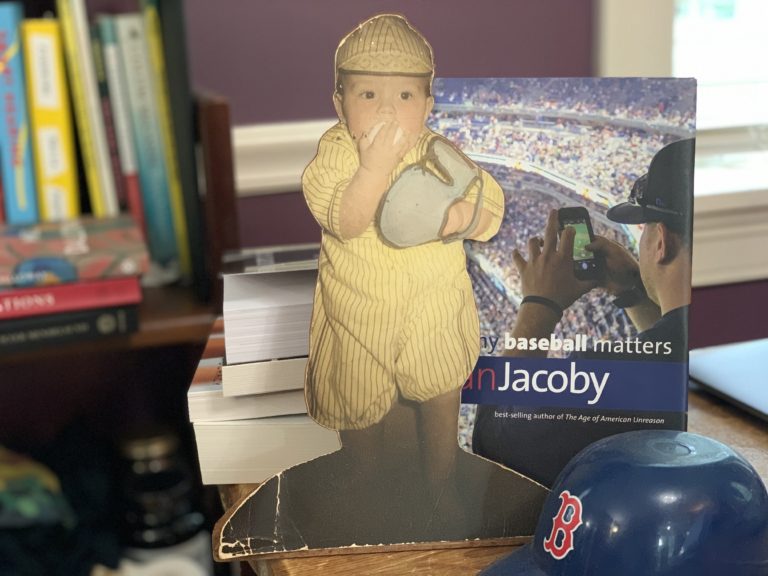
my baseball career consisted
of afternoon tosses with my father
and my brother in the backyard
of several houses in several cities
being a missionary kid meant
I moved like a mediocre minor
leaguer hoping for a big break
those afternoons of overthrows
and near misses taught me to
love the game from the bench
and the bleacher sharpening my
skills of solidarity and sharing
in someone else’s moment and
the treasure of a broken heart
this year opening day comes
ten days before we mark
the day we closed the casket
and said goodbye to my father
a week gone into extra innings
my heart is a long fly ball hit
deep into an empty stadium
When my parents married, they knew they were moving to Africa less than a year later. My father did not have much when it came to family. His mother died a month after he was born and his father was an itinerant minister and church planter, so his grandmother, Ma, raised him. His father remarried when my dad was about ten to the woman I knew as “Grandma C,” but my dad still never had much of a sense of home. His father died before my parents were married.
My mother asked him if there were any recipes from his childhood that he wanted her to learn. The only one was Ma’s strawberry shortcake. When Mom asked for the recipe, Ma gave it as a list of ingredients without quantities. My mother had to figure those out over the years. And she did. Our house in Nairobi was around the corner from a strawberry farmer. When it was berry season, Mom made the biscuits big and the shortcake was all we had for dinner.
I know very little about my ancestry other than what I have written here. A couple of weeks ago, I ended up in an ancestry.com wormhole and was amazed what I found. I now know that my grandfather, Milton I, is buried in Austin and my dad’s birth mother, Bertha, is in San Antonio. I also learned my grandfather had siblings and the names of his parents, Howard and Mary. Howard was murdered one Christmas Eve when he inadvertently surprised some cattle rustlers; my grandfather was a child. It seems all three Miltons in my family have struggled to know what family feels like.
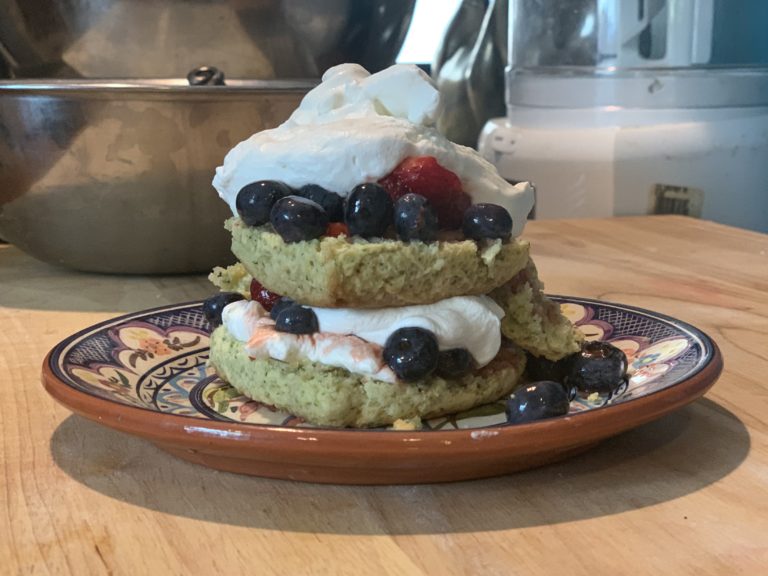
Though I have not had much genealogical information, I do have recipes from my mother and her mother, in particular. Over the years, the strawberry shortcake has become our July 4 food for our chosen family who have gathered at our various houses. As I learned more about cooking, I adapted the recipe. My main contributions has been to add fresh basil to the shortcakes and to macerate the fruit in balsamic vinegar and sugar.
Ma and I got to meet each other before we moved to Africa. I was an infant, so I don’t remember the encounter. She died before we came back on leave when I was four. I am grateful that some sixty years later her recipe gives me a deep and flavorful connection to a family I never really knew. A taste of family.
strawberry shortcake
1 pint strawberries, hulled and sliced
(you can also add blueberries or other fruit)
2 teaspoons balsamic vinegar
2 teaspoons sugar
1 teaspoon lemon juice
2 cups flour
4 teaspoons baking powder
1/2 teaspoon salt
4 tablespoons sugar
a big handful of basil
1/2 cup butter, cold and cubed
3/4 cup milk
1 pint heavy whipping cream
1/4 t cinnamon
1/2 teaspoon vanilla
1 teaspoon confectioner’s sugar
For the fruit: In a medium-sized bowl, combine the strawberries, vinegar, sugar, and lemon juice. Cover with plastic wrap and set aside. The more time you give it, the better, so try to do this an hour or so before you actually want to serve the shortcakes.
For the shortcakes: Preheat the oven to 450°.
In a food processor, combine flour, baking powder, salt, sugar, and basil. Pulse until basil is completely mixed in. Add butter and pulse until the mixture looks like coarse sand, then turn on the processor and stream in the milk until it is all combined.
Dump it out on a floured surface and fold it over on itself until it takes a fairly firm shape. Roll it out into a rectangle about 1/2 inch thick. I cut it into twelve square biscuits, but you can make them larger or smaller. Place on a baking sheet lined with parchment or a Silpat and bake for 12-15 minutes. Biscuits will still feel a little soft, but will be browned around the edges and a little on top. Place the baking sheet on a cooling rack and let them biscuits cool.
For the whipped cream: Combine the last four ingredients in a stand mixer or a deep mixing bowl where you can use a hand mixer. If you are using a stand mixer, you will need to wrap the top with plastic wrap so you don’s spray cream all over your kitchen. Whip until it looks like whipped cream.
To serve, cut the shortcake in half. Put a small dollop of whipped cream on the plate and place the bottom half of the biscuit on the plate. (The whipped cream just keeps it from sliding around. Put a generous spoonful of the fruit and its juices on the biscuit and then top with a dollop of whipped cream. Take the top of the biscuit and place it cut side up on top of your work-in-progress. Add more strawberries and more cream.
I hope whoever is gathered at your table for this meal has a family food story to tell of their own.
It’s not so much that I have had nothing to say as I have felt it was not my time to speak. I needed to listen and learn. I needed to help amplify voices that were speaking to me. Teaching me. Inviting me to a larger, more loving world. And I have been spending a lot of time in the church’s communal garden behind our barn, which has been both a place to meet life hands on as well as a metaphor for these days.
I love working in the garden because I get to watch food grow and then feed people with it. I garden by the just-plant-stuff-and-see-what-comes-up method, which is to say I have a lot to learn. My gardening buddy Tom is the brains behind our outfit. More than once I have pointed at things growing in one of the beds and asked, “Now what are those?”
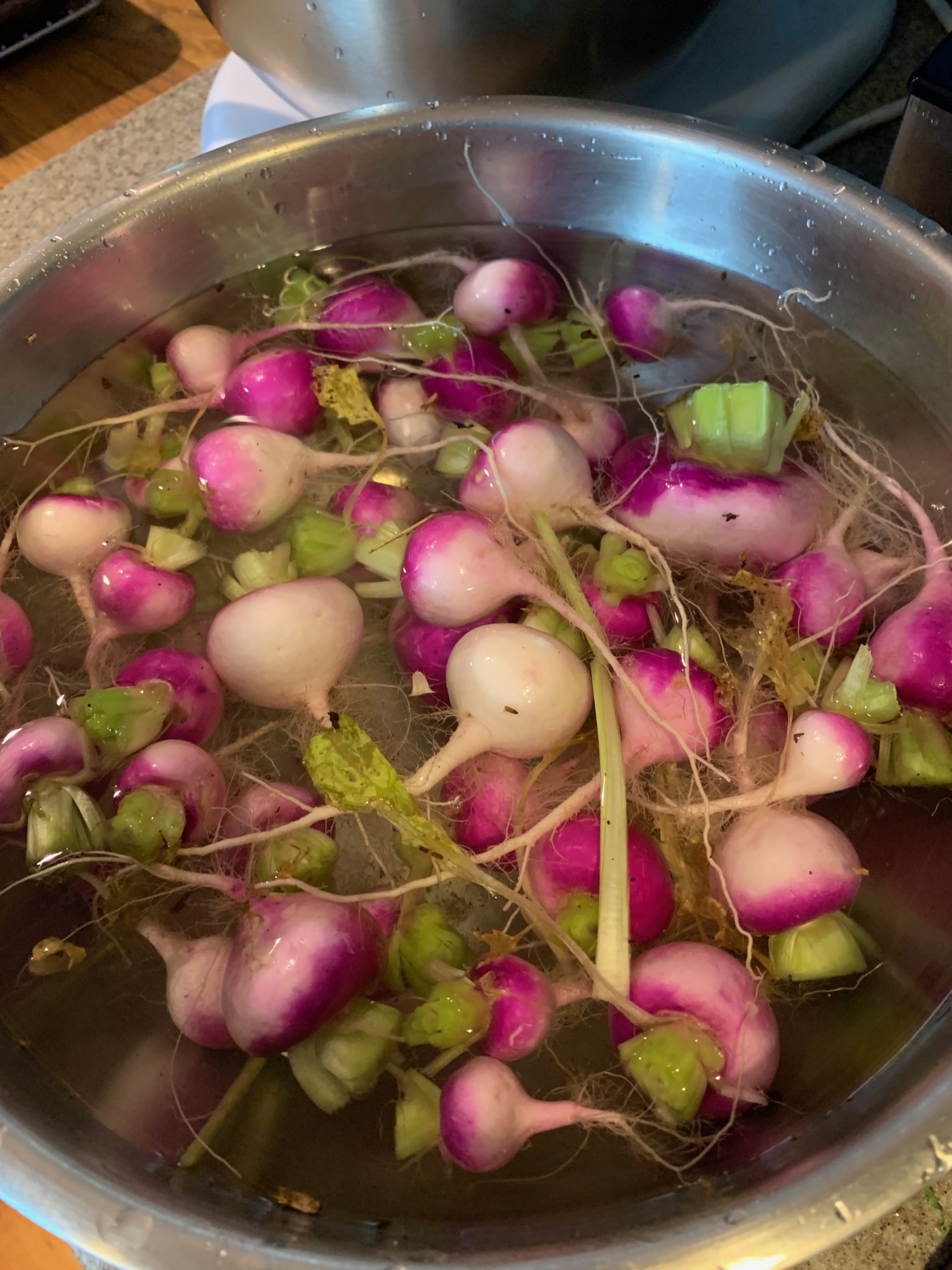
I was the last in the garden the other evening and saw the top of what looked like a radish to me, so I picked it. Actually, I picked several, greens and all, and came inside to look for recipes, which I will share shortly. I sliced the radishes and pickled them and, thanks to encouragement from a couple of different websites, made pesto out of the greens.The next day, I brought out my work to show Tom.
“I made pickles and pesto out of the radishes,” I said.
He smiled. “Those are turnips.” Then he added, kindly, “But they are related.”
The garden, for me, is an humbling place, which is part of the reason I love it. Just when I thought I understood what was happening around me, I realized my perception was lacking. Things were not as I thought. And I also was able to make a small contribution, I suppose, in that I learned baby turnips can be pickled just like radishes and turnip greens make a damn good pesto.
We have a lot to learn in these days–and what we have to learn keeps changing. I’ll stop there rather than turn it into a “You see, Timmy” moment and move on to the recipes.
turnip green pesto
One of my favorite books about cooking is Michael Ruhlman’s Ratio: The Simple Codes Behind the Craft of Everyday Cooking because he does more than share recipes; he teaches you how to understand how things work together. When I started to make this pesto, I went looking for ratios because of what I learned from him, and because I had already learned from others that pretty much any green leafy vegetable or herb can be made into pesto.
The basic relationships between the essential parts of pesto are
8 parts greens
1 part nuts (or seeds)
2 parts oil
2 parts grated Parmesan cheese
plus garlic, lemon juice, and salt to taste
A word about the cheese. Traditional pesto mixes the Parmesan in from the start, which works for me if you are going to use it right then. Most of the time I make pesto, I am not. Somewhere along the line, I started making mine without the cheese for a couple of reasons. First, you can freeze it. Second, I like to have the option to use it without the cheese. But the main reason is I think it tastes better to mix in fresh cheese when you get ready to use the pesto.
On to the recipe.
2 cups turnip greens
1/4 cup almonds
1/2 cup olive oil
fresh garlic
lemon juice
salt
Put the almonds and the garlic in a food processor and pulse until they break up. I used three cloves of garlic because I like garlic. Was and rinsed the greens, tear them and add them to the food processor. Add about a fourth of the olive oil and pulse until the mixture begins to come together. Scrape down the sides. Turn on the food processor and drizzle in the rest of the oil. Add salt and lemon juice to taste. It won’t take much of either.
NOTE: If you want to add cheese, you would add 1/2 cup after you have pulsed the greens.
You can store it in the fridge for a couple of weeks. You can also freeze it.
Pickling is a way of preserving vegetables. Much like making pesto, there is no one way to do it other than to say you need vinegar, sugar, and salt. And something to pickle. My pickling experience has mostly been in making dill pickles when the cucumbers are ripe, with a couple of other less than successful forays into other vegetables. When I thought I had picked radishes, I found several recipes, most of which leaned into Japanese cooking where the pickling is more delicate than what most Americans know.
The more I read, the more I found people telling me to use what I had when it came to flavoring the brine; I could enhance the flavor of the radish/turnips with what else I put in the jar–spices, herbs, and aromatics. Again, I’ll do my best to not explain the metaphor.
pickled baby turnips
The ingredients are what I had in my kitchen (I’m sort of a culinary hoarder), as well as what I brought in from the garden. The amounts are set by how many turnips I picked.
1 lb. baby turnips, trimmed and sliced thinly or quartered.
1/2 cup red wine vinegar
1/2 cup white wine vinegar
1/4 cup sugar
1 tablespoon salt
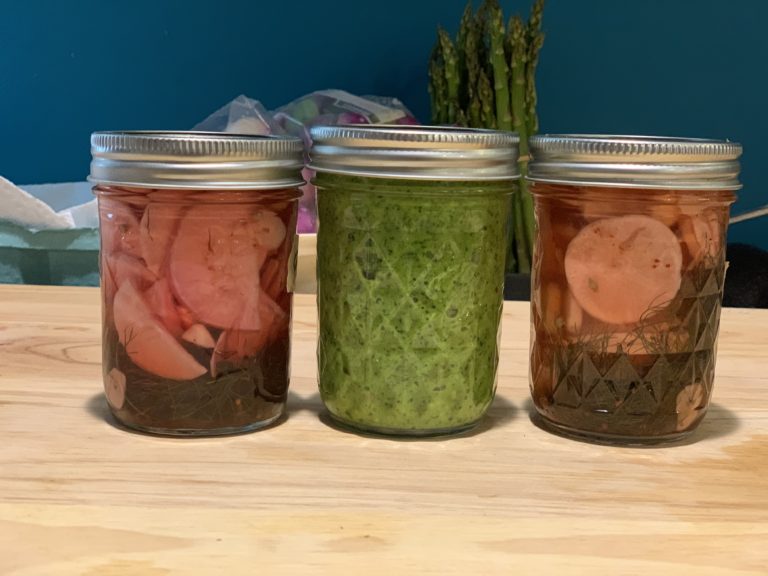
Heat the vinegars, salt, and sugar in a small saucepan over medium heat until sugar and salt are dissolved. Put the prepared turnips into jars (I used half-pint mason jars–jelly lars–and this recipe filled three of them), packing them in along with the other ingredients. I used
fresh ginger, sliced
fresh garlic (a clove or two in each jar)
fennel fronds (looks like dill, smells like anise)
coriander seeds
mustard seeds
peppercorns
Pour the hot liquid into the jars until it covers the turnips. Shake the jars gently to let things settle and top them off. Put lids on and shake. Refrigerate for two weeks before eating them to get the full effect.
Some other things you could add: dried chiles, turmeric, dill, fresh peppers.
I have poured the pesto over pasta for lunch this week; the pickles are still a week away from tasting. Where these tasty metaphors have taken me is something I will keep chewing on.
never had to worry
about being followed
stopped lynched
accused raped
beaten shot
gassed terrorized
or humiliated
because of our skin
who never had to
think twice
about a hoodie
making us a threat
who never had to say
I can’t breathe
don’t shoot
our lives matter
listen right now
don’t speak of
what he might
have done wrong
don’t make excuses
for why thy shot her
don’t explain that
cops are scared
remember what
Baldwin said
history isn’t the past
history is now
the city on a hill
a beacon of privilege
our manifest destiny
to take what we wanted
we have yet
to understand
four hundred years
of oppression is
what put a white
nationalist in the
white house holding
a bible like a weapon
it’s not the protests
that will destroy us
it’s those who use
power like a chokehold
it’s not the looting
in the streets
it’s the greed
in the boardrooms
let us make history
by making amends
repairs reparations
repentance reform
let the story that
has yet to be written
not be the same
chapter and verse
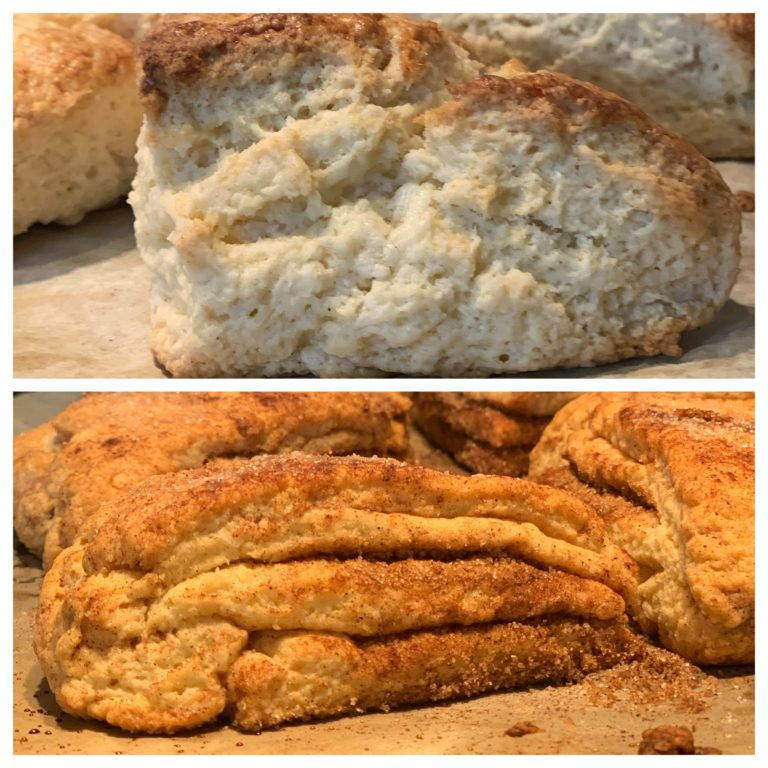
I grew up eating scones in Africa because of the British colonial influence. For the most part, they came with afternoon tea–and they were pronounced like the word gone. I’m not sure what got lost in translation when they made it to this side of the ocean, but not only did we change the pronunciation (like own), but we turned them into hockey pucks.
It takes some work–or at least paying attention–to make a good scone.
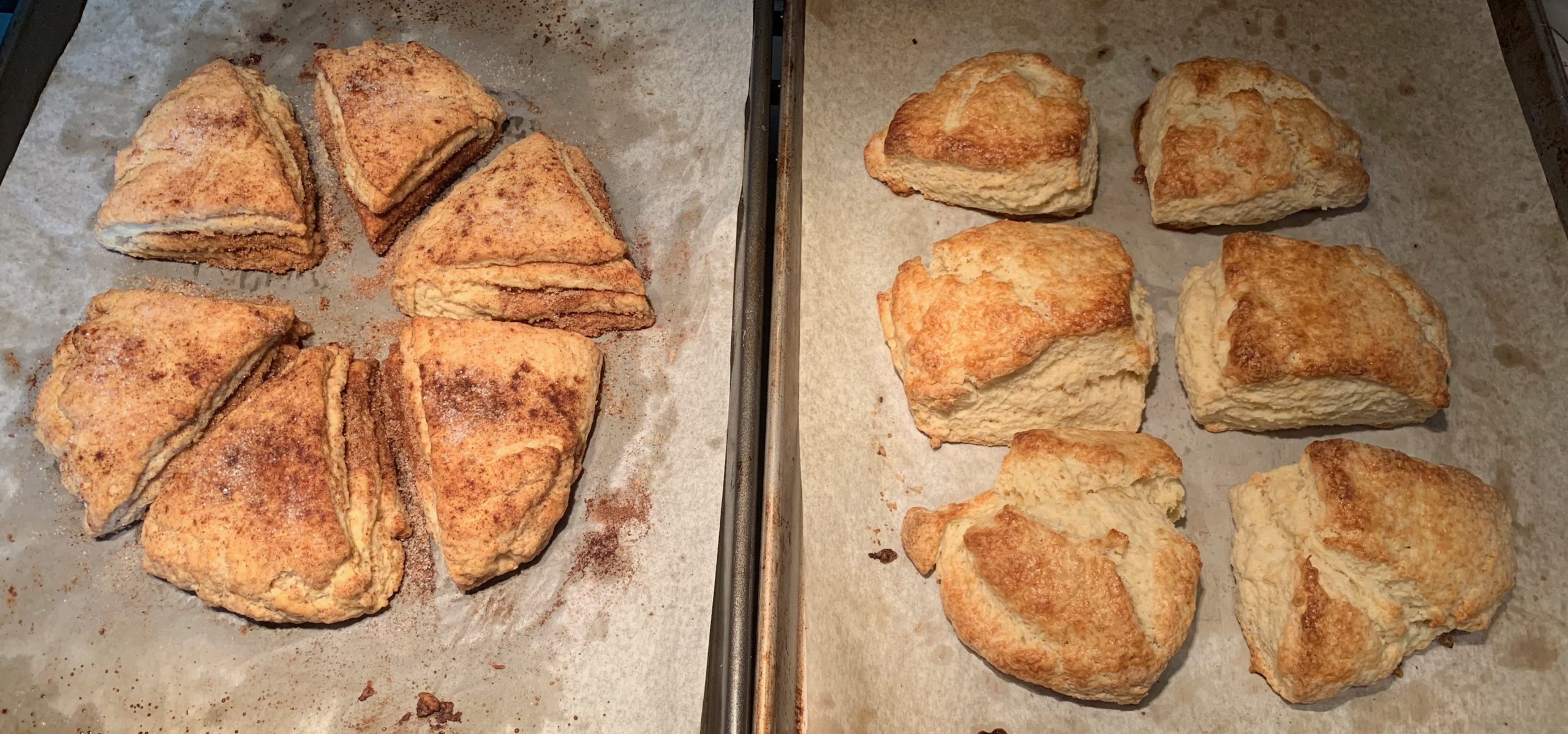
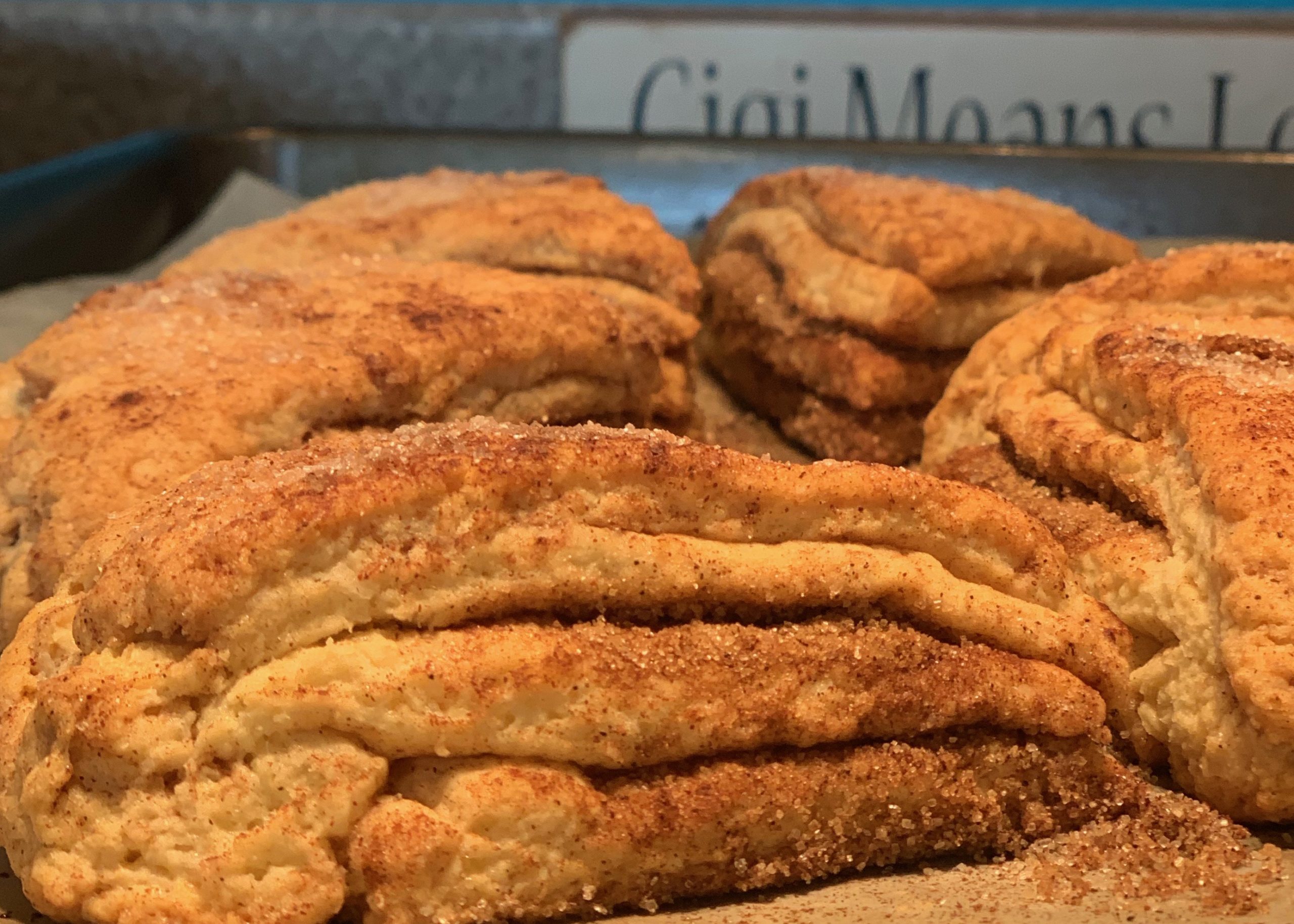
Over the past few months I have found two recipes that make good scones and both approach it differently. The first caught my attention because of the name: English-Style Scones. I had hopes they wouldn’t make me pine for the Stanley Cup Playoffs when they came out of the oven. The second recipe caught my eye at Smitten Kitchen, one of my favorite sites, because it featured cinnamon and sugar, which are both big hits at my house.
Both of them make great scones–flaky, tasty, buttery. Yet both of them go at it differently. One uses a food processor and room temperature butter; one tells you to cut in really cold butter, for example. One uses more baking powder; the other uses more butter. I thought it was worth sharing my versions of what they did as a way to encourage other Americans to learn how to make a scone worth eating.
english-style scones
2 cups flour (10 ounces)
4 t baking powder
1/2 teaspoon salt
1/4 cup sugar
6 tablespoons unsalted butter, room temperature
2/3 cup milk
1 large egg
Preheat the oven to 425°.
Pulse the flour, baking powder, salt, and sugar in a food processor until mixed. Add butter and pulse seven or eight times, for two or three seconds each time. The mixture will look coarse. Transfer the mixture to a large mixing bowl.
In a small bowl, whisk the milk and egg together. Set aside 2 tablespoons for the egg wash. Make a well in the middle of the dry mixture and pour the milk and egg into it. Mix it all together with a spatula until it starts to take shape and then use your hands to knead the dough until it is a smooth ball. As with biscuits, don’t knead it too much–just enough for it to all come together.
Put a piece of parchment paper or a silpat on a baking sheet. Shape the dough into a rectangle and put it on the baking sheet. Press it out with your hands until it is about a half inch thick. Use a knife or a bench scraper to cut it into nine or twelve pieces, depending on how big you want your scones to be. Separate them so they are about an inch apart.
Brush with the egg wash you set aside earlier.
Bake for 13-15 minutes (if you cut it into twelve scones, lean on the short side; for nine scones, it will be closer to fifteen).
A quick note about the amount of flour in each recipe. As you notice, both give weights as well as cup measurements. My suggestion is to follow the weights. If you don’t have a kitchen scale, get one. It matters. With my cookies, my measurement was 5.5 ounces = 1 cup. That is what made my recipe work. When I read these amounts, I decided to trust them rather than using the weight I was accustomed to and it paid off.
In the recipe below, you will add some flour when you are rolling out the dough, so it will be closer to 2 cups when you’re done, but start with 230 grams. It makes a difference.
cinnamon sugar scones
1 3/4 cups flour (230 grams)
6 tablespoons sugar, divided
1 tablespoon baking powder
1/2 teaspoon salt
8 tablespoons unsalted butter, cold and diced (1 stick)
1/4 heavy cream or half and half
1 large egg
2 teaspoons cinnamon, divided
Preheat the oven to 375°.
In a large bowl, whisk the flour, 3 tablespoons of the sugar, baking powder, and salt. Cut in the diced butter until the mixture looks like cornmeal or coarse sand.
In a small bowl, whisk the cream and egg together. Make a well in the middle of the dry mixture and add the cream and egg. Use a fork in a whisking motion to mix the two together, then knead by hand until it forms a smooth ball.
Shape into a rectangle and lay on a floured surface. Roll out to about a 12×8 size. Spread 1 tablespoon of sugar and 1 teaspoon of cinnamon on one half of the dough and fold the dry side over. (I mix the sugar and cinnamon together first.)
Roll the 6×4 rectangle out to about to about 8×6 and put the last two tablespoons of sugar and the last teaspoon of cinnamon on one half and fold it over again. Pinch the edges of the open sides as you shape the whole thing into a circle. Place it on a baking sheet lined with parchment or a silpat. Cut it into six pieces and gently separate them so they are about an inch apart.
Sprinkle with a little more sugar and cinnamon. Bake 15-17 minutes.
Start to finish, each of these recipes takes about a half an hour. One of the main things they taught me is there is more than one way to make a good scone. And however you pronounce it, it’s not long before these things are gone.
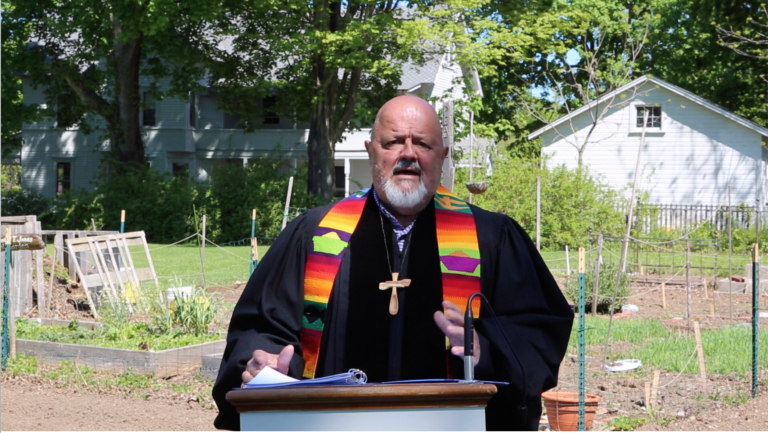
I am preaching for our service this week. We recorded it on Thursday standing in front of our church vegetable garden rather than in the sanctuary, so not only do I have a manuscript of the sermon, I have a recording as well.
The text is Exodus 16:9-21–the story of the manna in the wilderness.
When I was in high school I was in a musical ensemble at my church. Ten or twelve of us were chosen out of the youth choir. The director wanted a name with spiritual significance. What we came up with was Manna, I think because we assumed the word meant something like “God will provide.”
Most of the sermons I’ve heard on this story of God raining bread like dew in the morning and quail into the camp at night have been affirmations that God will take care of us. And that is an important truth–the same one Ginger talked about last week–we belong to Emmanuel: God With Us.
We are not alone.
Here’s the thing. The word manna in Hebrew doesn’t mean anything deeply theological. It means, “What is it?” When they woke up in the morning, the ground was covered with something that looked like coriander seed, was white, and tasted sweet, and they said, “Manna?” They were trying to figure out what was going on. Sound familiar?
They were told to only collect what they needed for the day and trust that there would be more tomorrow. If they tried to save it to make sure they had food for the future, the stuff soured and became full of worms. They had to learn to trust God and take each day as it came.
Most of the sermons that I have heard sermons on this story stop right here. And they were good sermons. Their daily exercise in trusting God was the inspiration for lines in one of my favorite hymns, “Great is Thy Faithfulness”—morning by morning, new mercies I see. Jesus underlined the same point when he talked about considering the lilies and not worrying about tomorrow.
But as I looked at the story this week, I kept reading to the end of the and found something I had not seen before. Verse 35 reads:
And the Israelites ate manna for forty years, until the came to a habitable land; they ate manna until they came to the border of the land of Canaan.
The Israelites had escaped from captivity—from generations of slavery and oppression—only to end up in the wilderness. The desert. Before long, they began complaining and Moses took their complaints to God, who responded with manna. I have this sort of a cosmic image of God handing sandwiches to the kids in the back seat who keep yelling, “Are we there yet?”
“Be quiet and eat.”
“What is it?”
“I said eat.”
I imagine the first few mornings of manna were cause for wonder and even gratitude. Morning by morning, they woke up to food for the day. But then they didn’t get where they were going for forty years. What they expected to change quickly became the way life was. I wonder how long it was before they stopped tasting the thankfulness. Being in the wilderness for forty years meant the ones who had come out of Egypt never knew anything but the wilderness. In fact, most of the people who left Egypt never got to the Promised Land. They woke up every morning in the and said, “What is this?” for the rest of their lives.
Eight weeks in to our lockdown, perhaps we are getting a taste of what they felt. A lot of days I feel like Billy Murray in Groundhog Day, where he is exhausted by having to live the same day over and over and he says, “I’ll give you a weather forecast: it’s gonna be cold and it’s gonna be gray and it’s gonna last the rest of your life.”
What began as something we hoped would be short-term is now something whose ending we can’t predict or control. In my own attempt to begin to understand that we may be in for the long haul, I wrote this poem last week:
maybe it doesn’t get better
you may not want
to read past the title
but hear me out–
we can’t do what we
are doing just because
we think this won’t last
and we can get back
to the way things were
maybe it doesn’t get better
I know–
I already said that
but what if the pandemic
pans out into permanence
or as permanent as
things ever get
what if we what we took
for granted isn’t granted
and we are left with life
and each other
for years, not days
yeah, I’m going to say it again
maybe it doesn’t get better
okay–I’ll say it another way
who knows what will happen
does that help
faith and hope hunger for uncertainty
love knows all you can count on
in life is someone else and let
someone count on you because
maybe it doesn’t get better
then again, maybe it does
The Israelites had to learn how to live in the wilderness as though that was what life was like. Yes, they knew they were supposed to be on their way to the land that God had promised them, but they couldn’t just sit around and wait for the future to come. The truth is the future never gets here for any of us. We cannot live lives that matter if they are based on what we expect to happen next. We can learn from our past and we can prepare for what we think might happen, but we can only live today, whatever the circumstances.
Most every Sunday morning during the quarantine, I have come into the meeting house to take the picture of Ginger and Jake as they send out the worship service e-mail. It feels strange to be in the room without anyone else here. I long for us to see each other, to be able to hug each other, to be able to sing together, and to eat too many snacks at coffee hour. That day may be a long time coming.
The decisions about how and when things will begin to open up, when we will be able to gather in person for worship, when we can go out to eat with friends, or quit wearing masks are not ones we get to make directly. We will respond to those circumstances, not create them.
How spend our days–these days, whatever the circumstances—are our decisions to make. We can decide how we will connect, how we will find ways to say we love one another, how we take care of each other, how we treat one another, how we ask for help. We can choose to make sure we all have what we need to get through the day ahead. We can choose not to wait for normal to return, or for things to get better, but to live today in this strange time as though these are the days we have to live.
One of my favorite stories about Jesus happened on the night before he was executed, when he washed the feet of his disciples. In a culture that knew only sandals and dusty roads, it was an act of servitude and compassion. The way John tells the story, he says that Jesus, “knowing he had come from God and was going to God,” knelt down and washed their feet. He wasn’t waiting for something to happen, or someone to rescue him. He took care of his friends.
We, too, have come from God and are going to God. Whoever we are and wherever we are on life’s journey, we are with God and God is with us. We have today to live, to breathe in the breath of God and breathe out the love of God, to take care of one another, to choose morning by morning new mercies to see.
Maybe things will get better. Maybe they won’t. Whatever happens, we have come from God and we are going to God, and we are traveling together. May we choose to do and say everything we can to remind one another of those things. Amen.
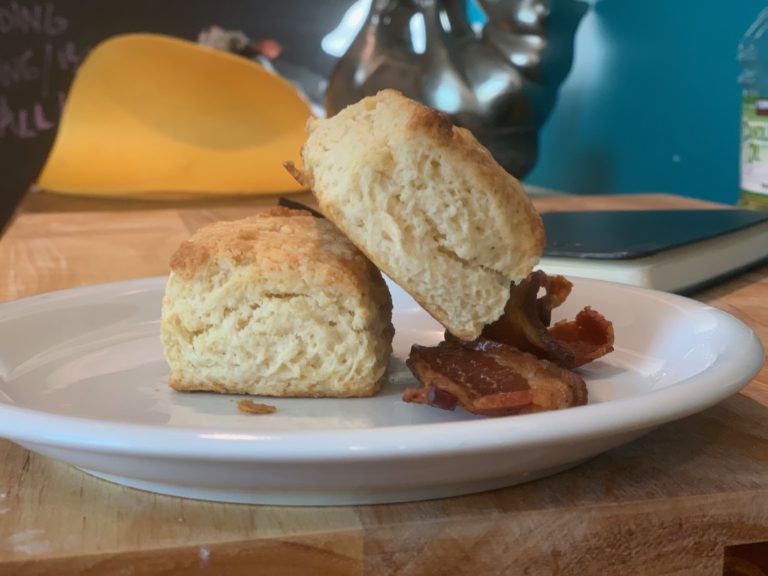
I lived–and worked in restaurants–in Durham, North Carolina for five years before I dared to say I knew how to make a good biscuit, and I still know there are those who can make better biscuits than I can. Mike Hacker at Pie Pushers tops the list.
That said, the pandemic pushed me back to a biscuit recipe that is unusual in that it is easy and tasty. It is not an original creation on my part; you can find several versions online. But if you are hungry for a good biscuit and time is short–as in, when your mother-in-law asks when you are going to make biscuits again–these are the biscuits for you.
The other thing I like about them is all you have to have on hand to make them is flour, baking powder, salt, sugar, and heavy cream. Start to finish, you can have these on the table, or should I say in your belly, in thirty minutes.
cream biscuits
2 cup flour
2 teaspoons baking powder
3/4 teaspoon salt
2 i/2 tablespoons sugar
1 1/2 cups heavy cream
2 tablespoons butter, melted
Preheat the oven to 425°.
In a large bowl, mix the flour, baking powder, salt, and sugar together. Make a well and add the heavy cream. Stir until the mixture is combined and then knead the dough with your hands just until it holds together.
Put a piece of parchment paper or a Silpat on a baking sheet. Put the dough on the sheet and shape into a rectangle about a half an inch thick. Cut into twelve pieces and separate them so there is about a half an inch between them.
Cook for fifteen minutes. When you take them out of the oven, brush with melted butter and then dig in.
One of the benefits of living in Guilford is Bishop’s Orchards has fresh asparagus every May. I had never tasted fresh asparagus–I mean asparagus that was still growing this morning–until we moved here. I now eat asparagus in May and then wait for next year because I know how it really tastes.
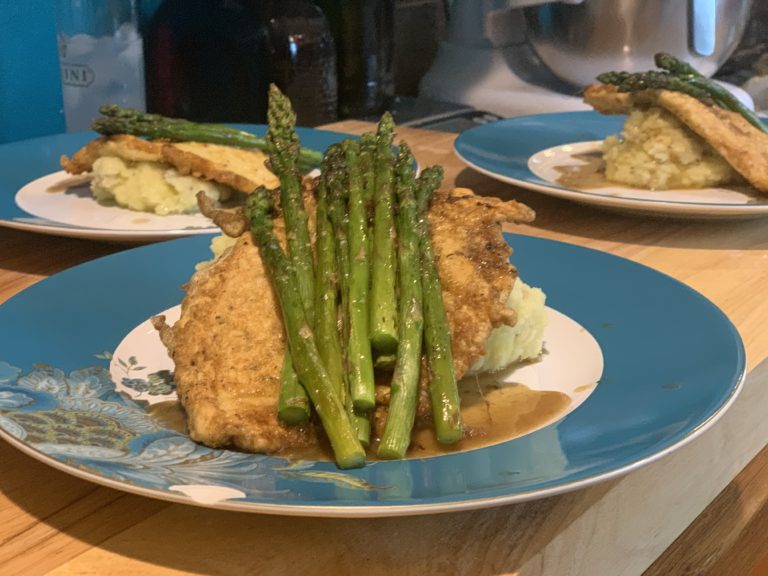
Something about asparagus made me want chicken and lemons.
When we lived in Charlestown, Massachusetts we were just a walk across the bridge to the North End, which is the Italian neighborhood of Boston. We ate this chicken dish in a restaurant there one night and I bought the cookbook so I could learn how to make it. I have since lost the cookbook, but I can still get pretty close to how it tasted.
The unusual thing about this recipe is the chicken is dredged in flour and then put in an egg wash before it goes in the sauté pan–without going back into flour or bread crumbs. It has a light a tasty coating.
1-2 lbs boneless chicken cutlets, pounded thin
4 eggs
1 cup flour
6 tablespoons butter, divided
2 tablespoons olive oil
2 lemons, zested and juiced
salt and pepper
Lay the chicken out on a cutting board and season with salt and pepper. Whisk the eggs well and set a side. Put the flour in a shallow dish.
Heat 4 tablespoons of butter in a skillet over medium high heat. While the butter is getting hot, dredge the chicken in the flour, piece by piece, and then dip each one in the egg wash, and then into the sauté pan.
Cook the chicken about three minutes on each side. If they are pounded thin, this will make sure they are cooked through. (You may have to do this in batches.) Transfer the chicken to a serving platter and keep warm.
Add the remaining butter to the sauté pan and increase the heat. With a wooden spoon or spatula, loosen the particles from the bottom of the pan. Add the lemon juice and the lemon zest. Let the sauce reduce a bit; it will brown also. Pour it over the chicken and serve.
For the record, I spread the asparagus on a baking sheet and drizzled it with some olive oil and some salt. I put it in a 425° oven for about seven minutes. I also made some mashed potatoes. From start to finish, the whole thing took less than an hour before we sat down to eat.
in new england
we have to be gentle
with our tomatoes
let the air warm then the soil
plant on memorial day
while people down south
are already making BLTs
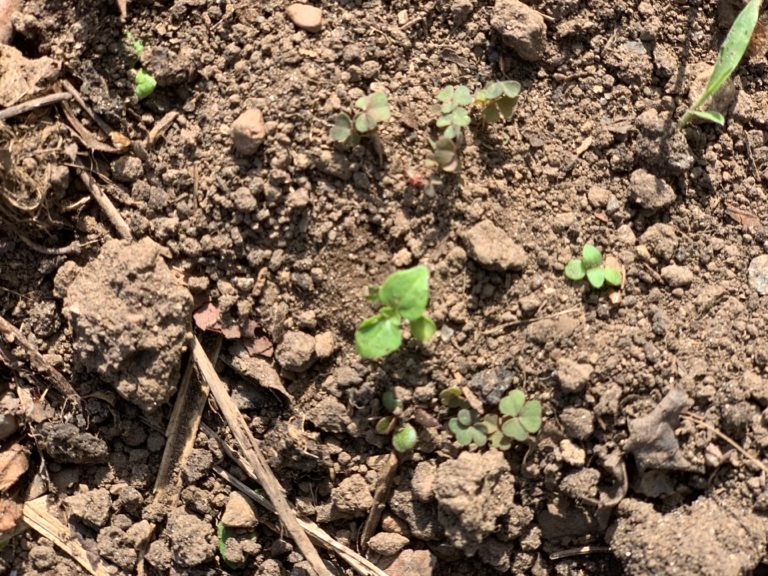
today Tom pointed to a
little green plant
“tomato” he said
then “volunteer”
from the latin:
acting by free will
choosing to show up
the seed fell last
autumn hunkered down
for the winter and
chose to show up
will it live long
enough to share
the taste of intention
the pandemic has gone
on long enough to get to
“clean up the barn”
and I unpacked the
museum in a box
waiting to be curated
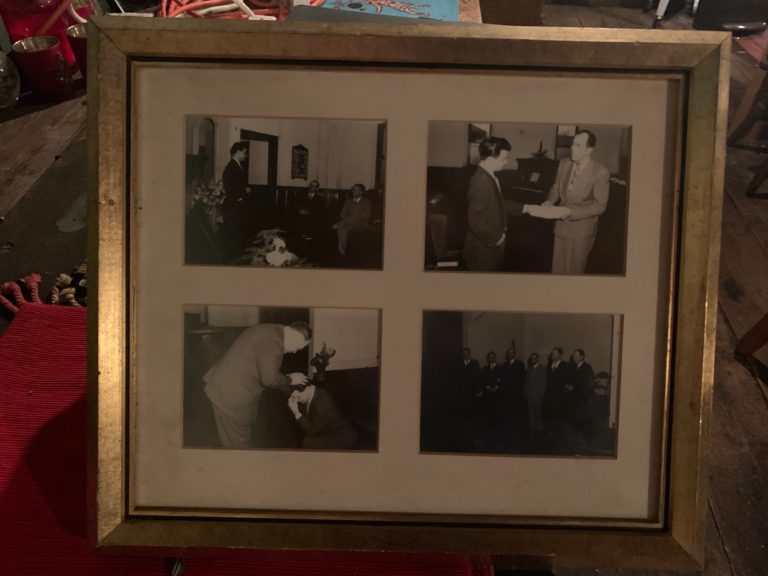
pictures from my
father’s ordination
wrapped in plastic
since Mom’s funeral
what do I do with
a memory
that’s not mine
no one has missed
it for years
do museums ever
use trash cans
in another box
my eye catches a
card in Dad’s hand
thank you for making
time to come see me
it was after his heart
surgery I came in late
he was in recovery
and he remembered
I remember too
permanence
can’t be collected
we will all go
out of print
still I hate to
be the one who
clears the room
for the next exhibit