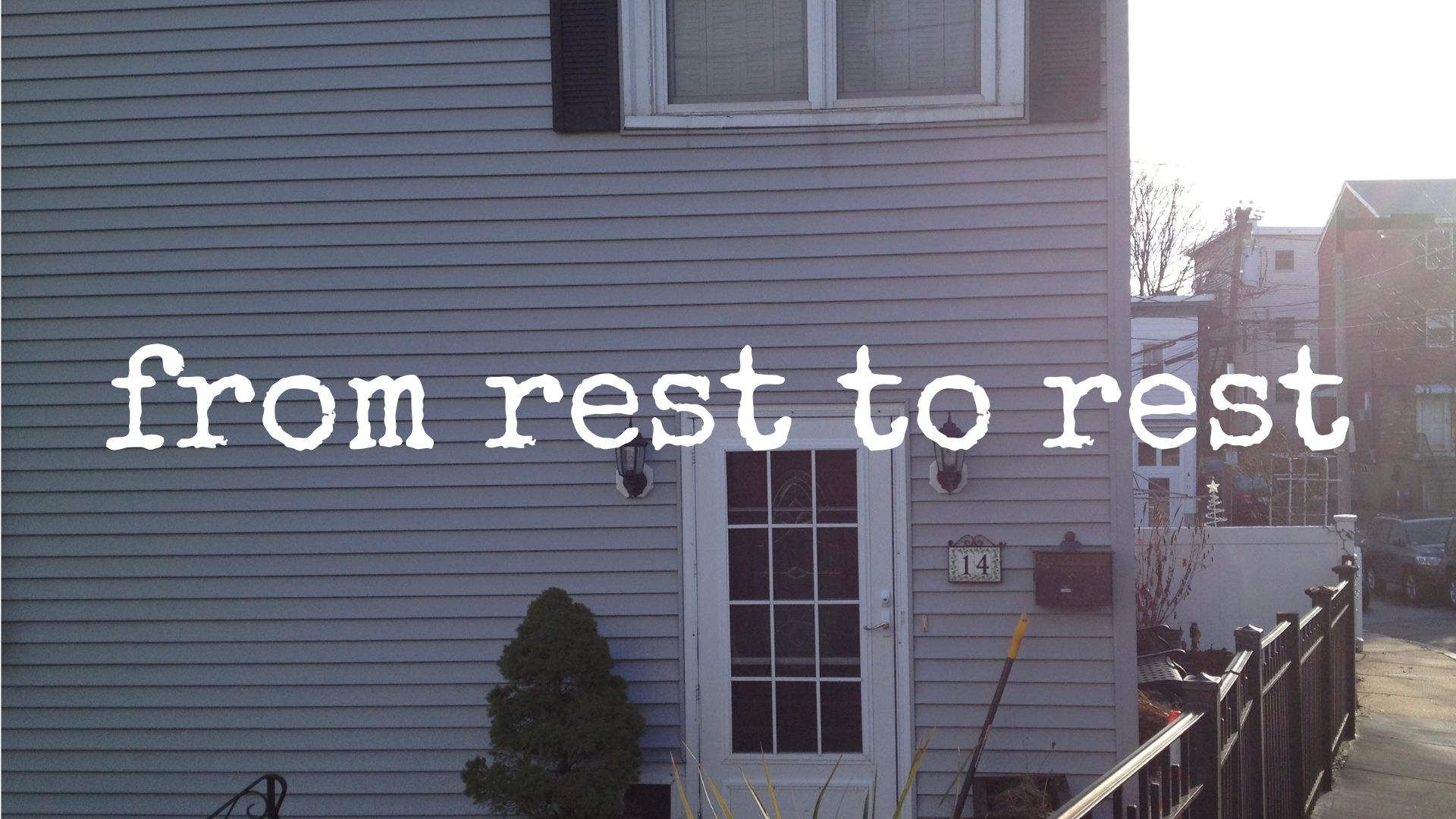
from rest to rest
The first Sunday of the month is a Communion Sunday in our congregation, as it is in many UCC churches, and the sacred meal corresponded with an invitation from Jesus to find rest in the way we live our lives. Here is where his invitation took me.
The first house Ginger and I bought together was 14 Hill Street in the Charlestown neighborhood of Boston. It was a small, 1840s row house with four floors, including a basement that opened on to the street because we were on the back slope of Bunker Hill overlooking the Mystic River. And it was on a dead-end, one way street. Not only that, but the street curved, which meant everyone on our street was great at parallel parking and backing down our little winding road to get to out.
Across the street was a park that had been there since the houses had been built, and it had a bit of poetry attached to it because in the city records it was deeded as “a mother’s rest.” Early on in Boston’s history they must have figured out that parents couldn’t stay cooped up in those little row houses all day and needed some place to let the kids loose for a little while so they could relax as well. The space itself wasn’t big, but the name felt expansive to me because of the word rest, which is at the heart of our passage today.
“Come to me, everyone who is exhausted and over-burdened, and I will give you rest.”
Rest. Something about the word just sounds relaxing.
The oldest roots of our word rest were a measure of distance, as in how far you had to travel before you could rest. It makes me think of the explanation I was given for why, if you’re driving on the smaller roads in Texas, you come to a town about every thirty miles. I was told it was because that was how far you could travel by horse in a day. The towns, it seems, were rests.
There was another etymological note that was even more interesting to me and that is that original sense of the word repose (another way of saying rest) was the distance between two resting places. What a great way to reorient our thinking about whatever journey we are on, whether actual or metaphorical: we are between rests; our destinations are places of renewal and restoration, rather than feeling like we spend our lives moving from obligation to obligation.
As we have noted a number of times in our reading of Matthew’s gospel, Jesus spent his life with people who were exhausted by the circumstances of their lives, particularly living under the oppression of the Roman occupation of Palestine. Rome made it a point to make life as unpleasant as possible in the lands they conquered, using every opportunity they had to remind those whom they controlled that they were the ones with the power. Work was hard. Life was hard. Rome was relentless. So when Jesus said, “Come to me and I will give you rest,” he was saying a lot more than just, “Hey, have a seat and relax a while,” or, “You’ve done enough for today.”
He was saying, “In a world where the primary message you get is you can never do enough to prove yourself worthy, come to me and I will remind you that you are enough just like you are.” In God’s economy, God’s way of looking at the world, we don’t matter because we work hard, or because of our social position, any more than we matter less than others because of our jobs or income level. Love isn’t earned. We are wonderfully and uniquely created in the image of God and worthy to be loved. Whether we are talking about our daily tasks or our whole lifelong journey, we came from love and we are going to love; we travel from rest to rest, not obligation to obligation.
That is not to say Jesus cancels all our obligations and erases our to do lists.
We have work to do in both big and small ways. We have promises to keep. As I said a few minutes ago, remember Jesus was talking to people who lived really hard lives. Last week we read Jesus’ words about God seeing the sparrow when it fell. God didn’t catch the bird; the power was in God’s presence. God is with us: Matthew has been reminding us of that since the angel first visited Joseph. God is with us in the middle of our lives that are often hard and challenging. God is with us when we fall like the little birds.
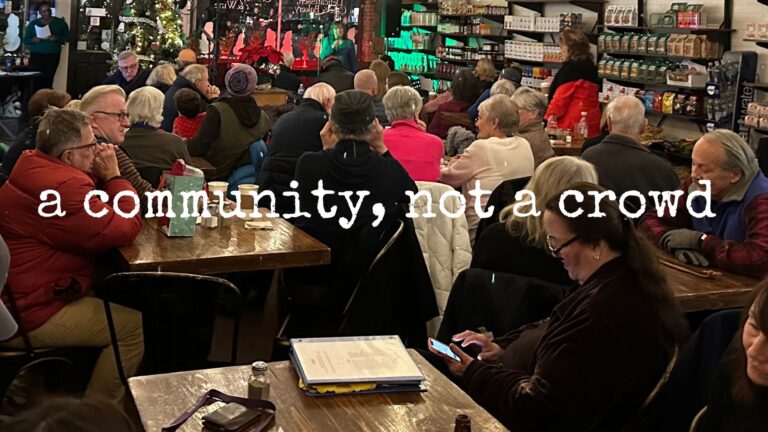
And Jesus also kept reminding his followers that we are with each other. To put on the yoke of Christ—to live the lives God is calling us to live—is to share each other’s burdens, to help each other sense God’s presence by our words and actions, by the way we incarnate God’s love. Somehow, in ways we know but don’t always comprehend, our collective burdens become lighter when we share our loads. It’s why we take time to share our joys and concerns. We want God to know; we want each other to know.
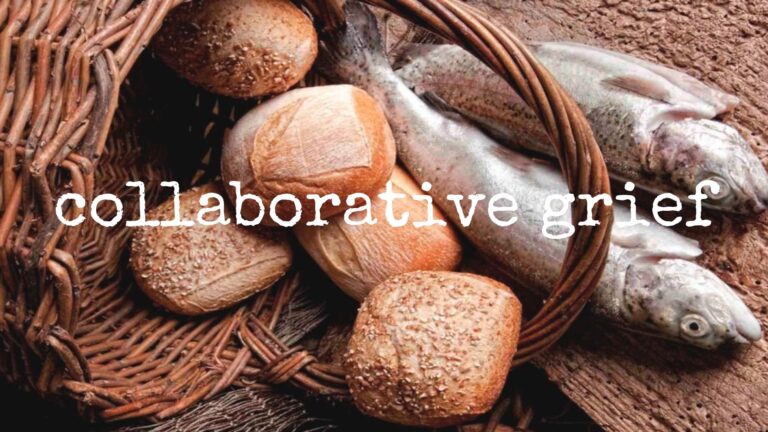
I love that we are reading these verses on a Sunday when we are sharing Communion because the way we pass the bread and the cup to both offer the meal and receive it from each other is a great picture of what it means to share our burdens. Sometimes we need to ask for help, or at least be willing to receive it; sometimes we are the ones who can offer help, and we need to keep our eyes open to see when those around us stumble like sparrows.
“Come to me, everyone who is exhausted and over-burdened, and I will give you rest.”
No one gets left out in that invitation. Let us move from rest to rest, from love to love, as we journey together in Christ. Amen.
Peace, Milton