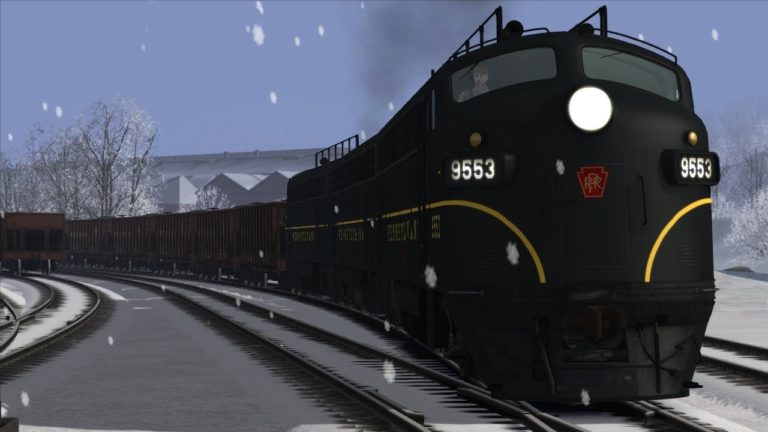
On my train ride to Grand Central Station, the penultimate stop is Harlem/125th Street. Once the doors close, it takes about fifteen minutes to go the last eighty blocks to the terminal on 42nd Street. The closer we get, the slower the train goes. Passengers get up, put on coats, and line up in front of the doors so they are ready when we finally arrive, but it feels like it takes forever. All we can do is wait.
Advent feels like that ride to me: the slow train to Bethlehem. It takes a long time for Jesus to be born again.
Wait shares a common root with the word wake. Both hold a sense of watchfulness and awareness, as in we are waiting for something. Or someone. Even the lectionary passage this morning was a call to stay awake. Pay attention. Don’t fall asleep at the switch. Waiting can carry a sense of expectancy, as it does in Advent, or a sense of dread, as it might in a doctor’s waiting room or worrying about a thieves in the night like the verses from Matthew, and a variety of graduations in between.
Even as we wait for, we can also wait on—as servers do in restaurants. To wait means to pay attention to someone else’s needs, which also carries a sense of awareness. Those empty water glasses aren’t going to fill themselves.
Over the past year, wait has taken on another connotation for me—as an acronym—WAIT: Why Am I Talking. I learned it in the context of discussions around white privilege, or should I say white-cisgender-male privilege, and our tendency to explain the world on our terms. If I really want to know how someone else understands the world, I need to learn to WAIT, which is a kinder way of saying, “Shut the hell up and listen.”
Our ride on the slow train to Bethlehem calls us to wait in all three ways. We wait for Christ to be born again in our time and in our cultures; we wait on one another, paying attention to what those around us need to get on board; and we WAIT so that we can among those who in silent stillness lay to hear the angels sing.
That sentence makes it sound so easy, doesn’t it?
It’s not—at least, not for me.
Throughout the history of my depression, sleep has been an escape. When the shadows are the deepest, I close my eyes. I don’t want to be awake because it hurts too much, so I sleep. Staying awake is hard work. The cost of paying attention feels prohibitive. Sleeping is easier than swimming in molasses. I am exhausted by my daily commute, if you will.
Many years ago, my friends Billy and Kenny wrote a song that asked
why does love come like a thief in the night
warning no one like a thief in the night
Good questions. Why is it so hard to stay awake for love: to wait for, to wait on, to WAIT, to listen for the sound of the whistle in the distance? I don’t know all the answers, other than to say it just is.
As I have been writing, the first significant snowfall of the season has been falling. At times, the flakes have been the size of silver dollars and they have fallen just like the carol: how silently, how silently. The temperature is not cold enough for the lovely covering to last long, but for this afternoon our town is at its snow-globe best. Night is falling along with the snow. Currier and Ives could not have imagined it more beautifully. It does feel like we should all go stand in a circle on the Green and sing.
The storm warnings yesterday caused one of our annual town traditions to be postponed. It is a service of remembrance for children who have died. Parents who have lost their kids—of any age—come together to wait on one another, in a way, as they face another holiday season without their sons and daughters. The service was put off so more people could come. We will gather next Sunday. My part in the service is to sing “I Wish You Peace,” a song written by Bernie Leadon and Patti Davis and recorded by the Eagles. The chorus says
I wish you peace when times are hard
the light to guide you through the dark
and when storms are high and your, your dreams are low
I wish you the strength to let love grow on
I wish you the strength to let love flow
Our first candle today represented Peace, which, I think, is not the official order but it was a candle worth lighting in these days of endless war and shouting. Hope, Peace, Love, Joy: they all need to be lighted; the order does not matter so much other than to those who ordered the candles to begin with. I came home and turned on all the electric candles in our windows that will burn through Advent and Christmastide and Epiphany and as long as winter stays. On Sundays, we let them burn all night.
I am not waiting for Christ to be born because I think his birth makes things better magically somehow. The power of love to change the world is its own slow train. As we tell the story each year, I wait for the angel to say to Joseph, “You should call him Emmanuel”—God with us. We are not alone in our waiting, our waking, and even in our sleeping.
God is along for the ride.
Peace,
Milton